As a filmmaker my instinct has always been to protect the vulnerable. I have spent decades telling human stories. In documentary work, I often filmed people at their most exposed including teenagers navigating identity, trauma, relationships, and uncertainty. This cultivated a core belief in me that young people deserve environments that don’t exploit their vulnerability.
When I saw the digital world doing exactly that, I felt a moral obligation to intervene.
I began witnessing a “silent redesign” of childhood. My turning point wasn’t theoretical — it was observational.
While filming teens, I noticed that their emotional lives were shaped by platforms they didn’t understand. Their sense of self-worth was tied to algorithmic feedback loops. Their privacy was being stripped away without consent and their exposure to harm was being normalized.
I realized childhood was being **redesigned by commercial systems**, not by parents, educators, or society. This wasn’t a policy issue to me — it was a human rights issue.
I experienced an anger at the imbalance of power and began to both take a closer look and begin to speak out about the profound unfairness I saw. That Children were expected to navigate addictive design, opaque data harvesting, manipulative recommendation systems and content far beyond their developmental stage. Meanwhile, tech companies insisted children were “users” — responsible for their own safety.
My motivation here is deeply personal. I reject the idea that children should bear the burden of protecting themselves from systems built to exploit them.
I am not anti‑technology. My motivation is rooted in optimism. I believe digital spaces *can* be designed with dignity, safety, and agency. The problem isn’t technology — it’s the values embedded in it. My work aims to shift those values to be safer for the youth of today. Much harder but not impossible to do today after so many years of subliminally addicting our children to live and breathe social media.
Unlike many policymakers, I didn’t arrive at this issue from theory or politics. She arrived through my own lived experience with young people. I through my years as a filmmaker had direct observation to the harm it was doing. This was validated by the conversations with families and the stories from children who felt both overwhelmed and unsafe online. This proximity created a personal sense of duty. I wasn’t watching from afar — I was witnessing the consequences firsthand.
This instilled in me a desire to give children rights they cannot demand for themselves. Children cannot lobby. They cannot negotiate with tech companies. They cannot write legislation. Having both I began to use my platform to speak for those who cannot speak for themselves.

This is why I pushed for the Age Appropriate Design Code a landmark law that forces platforms to consider children’s best interests. This is a statutory UK code of practice that sets 15 standards to ensure online services protect children’s privacy and prioritize their best interests.
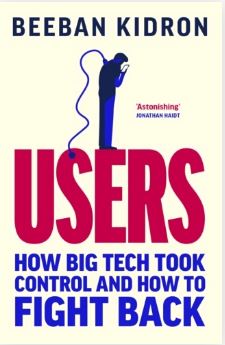
My filmmaking background taught me that stories shape public consciousness. I realized that to change the digital world, I needed to tell the story of what was happening to children. In doing so I needed to and expose the hidden mechanics of tech systems and make the invisible visible. My book Users is part of this mission. It is a narrative tool to help shift how society understands digital harm.
For a deeper, more textured look at my personal motivations and the forces that shaped why I took on the fight for children’s digital rights Listen to my interview on The Hidden Cost of Giving Our Kids Smartphones: How do we manage? . This goes beyond biography and into the emotional, ethical, and experiential drivers behind my work.
My journey is not abstract — it’s personal, emotional, and grounded in real human experience. There is still a chance for balance to be restored.
I passionate about protecting children in the digital age. Destined, perhaps? Kid is part of my last name after all.